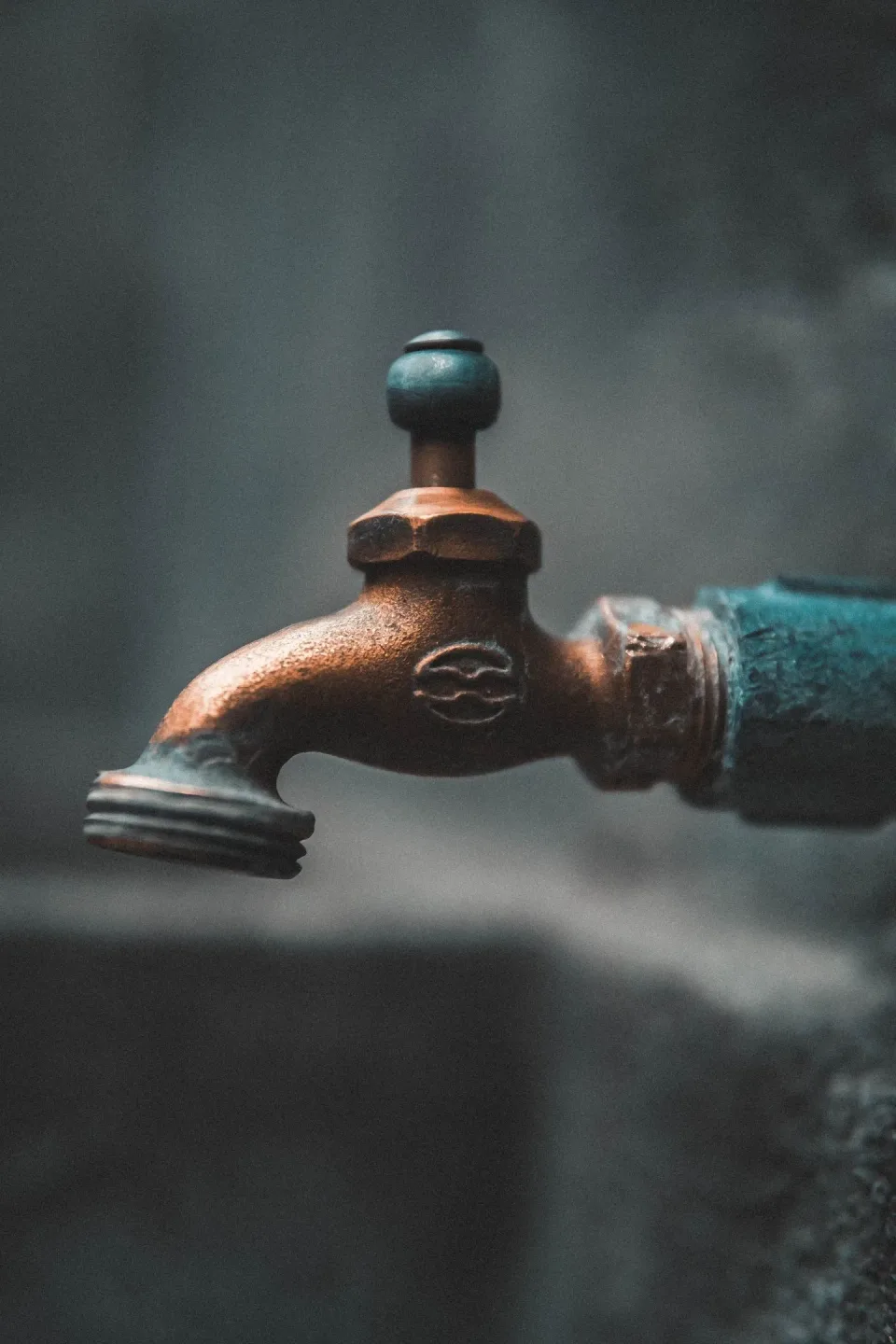
Why Is Your Kitchen Faucet Barely Trickling?
A kitchen faucet that barely trickles usually has a local blockage or a supply problem worth checking before parts are replaced. First, see whether other taps are affected; that simple comparison helps separate a faucet issue from a wider water-supply fault. A well pump can affect flow throughout a home if it is not delivering water properly, so note whether the pressure changed elsewhere too.
If someone asks us to snake a line, we first clarify whether they mean a water-supply pipe or a drain: snaking addresses a drain blockage, not weak faucet flow. A plugged sewer pipe is a separate drainage problem and needs its own assessment.
Our crew diagnoses the cause before recommending work, including at homes near Canobie Lake Park in Salem. Keep the faucet symptom clear; it points the inspection in the right direction.
Is the faucet aerator screen restricting flow?
When only one kitchen faucet trickles, start with its aerator screen. Mineral particles or debris can collect in this small screen and choke the stream even if other fixtures work normally.
If you can remove the aerator by hand, set its pieces in order, rinse them, and check that the screen is not packed with grit before reinstalling it. Avoid forcing a corroded fitting; a damaged faucet finish or thread can turn a simple check into a repair.
The faucet’s flow is a local clue, not a whole-house diagnosis. If cleaning the screen changes nothing, compare the hot and cold handles and test another nearby fixture. Our crew serving the Exeter Town Hall area looks at the fixture and its supply before deciding whether further testing is needed.
What if the faucet still trickles after cleaning?
A persistent weak stream can come from a restriction farther along the faucet supply or from a leak that is diverting water. Check beneath the sink for dampness, corrosion, or a drip at the shutoff valves and connections.
Leak checks before pressure adjustments matter: raising a setting without finding a leak can mask the symptom while water continues damaging a cabinet or floor. Stop if a connection is actively leaking or a shutoff valve will not turn smoothly.
In New Hampshire, freeze-thaw cycles can stress buried water lines and foundations. That does not mean every slow faucet has a buried-line fault, but a sudden change affecting multiple fixtures deserves broader investigation rather than repeated aerator cleaning.
Can a well pump check valve affect faucet flow?
A well pump check valve helps keep water from flowing backward through the system when the pump stops. If it fails, the system may lose pressure between pump cycles, and the homeowner may notice unreliable flow rather than a problem confined to one faucet. Ask whether other taps weaken at the same time and whether the pump behavior has changed; those details help direct the inspection.
For a private well, we assess the pump and supply symptoms together instead of replacing a faucet first. Flotec equipment may be part of a home’s water setup, but the name on a component alone does not identify the fault. We confirm the installed system and observed behavior before recommending a repair.
When should you DIY or call a plumber?
Cleaning an accessible aerator is a reasonable first step if it comes off easily and there is no leak. Call a plumber if the faucet remains weak, several fixtures are affected, a connection leaks, or the problem began suddenly. Commercial kitchens can have different equipment and demand from a household sink, so a slow commercial faucet should be assessed in that operating context.
We use the symptom pattern to decide whether the restriction is at the fixture or farther upstream. That keeps the next step focused. If flow changed throughout the house, describe which fixtures are affected and when the change began; if only one faucet is involved, say that too. Those observations help us diagnose without guessing.
Which Faucet Flow Check Fits Your Situation?
The right check depends on whether the weak stream is limited to one fixture or appears across the home; comparing flow helps narrow the cause.
| Option | Best for | Key detail |
|---|---|---|
| Aerator inspection | One slow faucet | A blocked screen can restrict the stream at the fixture. |
| Fixture-by-fixture testing | Comparing sinks and other taps | Note which fixtures weaken and whether the symptom changes during use. |
| Well-system assessment | Homes supplied by a private well | The pressure switch controls when the well pump starts and stops. |
| Booster pump review | A system needing added supply pressure | Pump capacity should match the fixtures’ water demand. |
| Well pump and pressure tank diagnostics | Wider flow problems in a well-supplied home | Testing the pump and tank together helps identify system-level causes. |
The pump has a long history: Denis Papin described a centrifugal pump in 1689, and John Appold advanced its design in 1851. For a home, the practical question is what the installed system is doing now.
A Faucet Check Should Protect the Whole System
Pro tip: Well-pump cycling and tank drawdown can help explain why a faucet’s flow changes during use: the pump and tank work together to supply water between cycles. If a symptom extends beyond the kitchen, tell the plumber which fixtures are affected rather than adjusting equipment based on one tap.
Autumn temperature swings can expose poorly insulated pipes, so note whether a flow change followed a cold spell. At a home near Castle in the Clouds in Moultonborough, our approach is the same as elsewhere: diagnose the symptom and protect the work area before opening fittings.
For a commercial water-pressure assessment, the expected demand and equipment differ from a single household faucet, so that use should be stated up front.
Common mistake: Replacing the faucet before checking for a wider supply problem.
Would a Plumber Help With a Trickling Faucet?
A slow kitchen stream may come from a dirty aerator, a supply restriction, or a broader system fault. Start with the screen and compare other fixtures; stop if you find an active leak or cannot safely loosen a fitting.
-
Note the pattern: Record whether other taps have weak flow too.
-
Check the fixture: Clean an accessible aerator without forcing stuck parts.
-
Share the change: Tell us when the symptom began and whether it affects hot, cold, or both.
If you have a towel under a leak in the attic, treat that as a separate active water problem and arrange an inspection rather than waiting on the faucet diagnosis. A report that water backed up overnight also describes a drain concern, not a faucet flow test. For a kitchen faucet that still trickles, contact New Hampshire Plumbing Pros to discuss a diagnostic visit and Low Faucet Pressure Repair.