Why Does Shower Pressure Drop When Another Tap Runs?
When another fixture runs, a shower that suddenly weakens usually points to limited flow or a pressure problem in the shared supply. The location of the change helps narrow the cause.
This is a familiar complaint in Manchester homes, from older brick mill buildings to postwar ranch homes. Cold, snowy winters increase frozen-pipe and well-line risks, so a pressure change that appears during cold weather deserves a careful check rather than guesswork. Lake Massabesic, shared by Auburn and Manchester, is a familiar local reference point; nearby homes still have very different plumbing layouts and water supplies.
-
Shared demand: A running washer or faucet can expose a system that struggles to supply two fixtures at once.
-
Static pressure: A reading taken with water off shows the supply at rest, but cannot reveal how it performs during a shower.
-
Diagnosis first: Water pressure diagnosis in Manchester, NH compares symptoms and test readings before anyone recommends replacing equipment.
Note which fixtures are running when the shower weakens.
Why does an upstairs shower lose pressure?
An upstairs shower can feel weaker because water must travel farther and overcome the height between the supply and the fixture. If the shower drops sharply only when a sink, toilet, or washer draws water, that points toward limited delivery under demand not simply a showerhead problem. In Manchester, freeze-thaw cycles can stress buried water lines and foundations, but a wintertime symptom alone does not prove a pipe is damaged.
A useful comparison is whether other fixtures change at the same moment. If only the shower struggles, check for a restricted showerhead or valve; if several rooms weaken together, the cause may be farther upstream. Currier Museum of Art is a familiar Manchester landmark, but a home’s age, pipe condition, and layout matter more than its proximity to downtown.
What does a pressure regulator do?
A pressure regulator reduces excessive incoming pressure to protect plumbing and fixtures. If it is malfunctioning or set too low, taps and showers may feel weak; if pressure falls only while several fixtures run, the regulator may not be the sole cause. Our crew checks the system before recommending adjustment or replacement.
A commonly recommended household pressure range is 40–60 psi. That figure is a guide, not a diagnosis on its own: a system can show reasonable pressure with everything off and still struggle once water is flowing.
A sudden low-pressure problem across the house should also prompt a check for a leak, shutoff issue, or other change in the supply. We look for the pattern before choosing a repair.
When should you call a water pressure plumber?
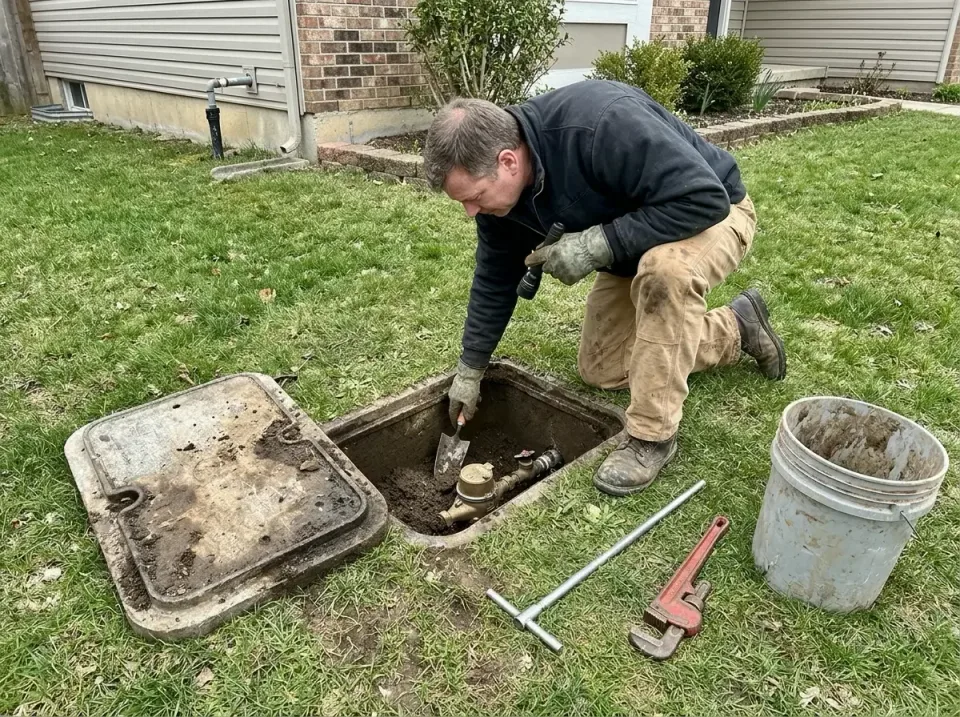
You can clean a removable showerhead or note which fixtures affect the shower. Stop at simple checks if you are unsure how to isolate a fixture. Do not open electrical pump controls, adjust equipment without testing, or dismantle a pressurized assembly; those steps can create safety or water-damage risks.
Call a professional if several fixtures weaken, the change appeared suddenly, or a well pump runs while pressure stays low. A well system can involve the pump, tank, and controls, so replacing one component by guesswork may leave the original fault in place. New Hampshire Plumbing Pros has served the state for more than 11 years, and our process is to explain test findings before approved work begins.
What should you note before testing?
Write down which fixtures are running, whether hot and cold behave differently, and whether the drop is gradual or abrupt. This account helps distinguish a shower-only restriction from a whole-house supply issue. If you notice water where it should not be, such as behind a waterboard, stop using the affected fixture and arrange an inspection; hidden leakage can damage finishes before the source is obvious.
Manchester’s Palace Theatre is another local landmark, while below-freezing nights can freeze exposed plumbing. Keep access clear to the suspected fixture and tell the plumber what was operating when the pressure changed. For more symptom-specific guidance, see why upstairs taps have weak flow in New Hampshire homes or what a low pressure gauge reading can tell you.
Which Pressure Test Helps Explain a Weak Shower?
The right option depends on whether the problem appears at rest, during use, or across multiple fixtures. A gauge with a 0–100 psi or 0–200 psi range can record system pressure; the suitable range depends on the readings expected and the test setup.
Static pressure is measured while water is off, so it cannot by itself explain a shower that fades only when another tap runs. Pipe size also matters: common residential water lines are 1/2–1 inch, and restrictions or layout can affect delivery.
A pressure tank stores water and limits pump cycling, making it relevant to some private-well systems. Lake Massabesic is a local landmark, and cold, snowy winters increase frozen-pipe and well-line risks around New Hampshire.
| Option | Best for | Key detail |
|---|---|---|
| Static pressure check | Supply at rest | Fixtures are off during the reading |
| Flowing pressure check | Shower weakens during use | Measures pressure while water flows |
| Regulator inspection | Whole-house pressure seems restricted | Regulator reduces excessive incoming pressure |
| Pressure tank assessment | Private-well symptoms | Tank stores water and limits pump cycling |
What Do Plumbers Check When a Shower Loses Pressure?
Pro tip: Compare the pressure with fixtures off against the pressure while the shower and another tap are running. Dynamic water pressure shows what the system delivers under use, which is the condition behind many shared-demand complaints. On a private-well system, tank precharge and pressure-switch settings affect how the pump supplies water; mismatched settings can contribute to cycling or uneven delivery.
Common mistake: Treating a single gauge reading as proof that the shower valve is faulty.
Before calling, note which tap causes the shower to drop and whether the change affects other rooms. Freeze-thaw cycles stress buried water lines and foundations, so mention any recent change in pressure or signs of moisture. Mine Falls Park in Nashua is a regional landmark, but each home’s plumbing needs its own test.
Get a Clear Diagnosis for Manchester Shower Pressure
If your shower fades whenever someone runs a tap, note which fixtures are operating and whether pressure changes elsewhere in the house. That pattern helps distinguish a fixture restriction from a wider supply problem.
If water pressure suddenly drops throughout the house, or water appears behind a board or wall, stop guessing and arrange an inspection. Our New Hampshire plumbing license holders diagnose before recommending parts, explain findings plainly, and carry out only approved work.
Manchester plumbing permits may need verification with Building Safety depending on the work. Cold, snowy winters increase frozen-pipe and well-line risks; nearby Milford Oval is a familiar regional landmark.