What Can a Sudden Pressure Drop Mean?
If water pressure suddenly drops throughout your house, first check whether every fixture is affected and whether the change followed a weather event or plumbing work. A house-wide drop points to a shared supply or system issue more often than a single clogged faucet. Hot summer spells can raise household and irrigation demand, so note whether the problem worsens when outdoor watering runs.
Heavy rain can affect shallow wells and water quality; if well water turns cloudy, avoid assuming a pressure repair alone will solve it. New Hampshire freeze-thaw cycles can stress buried water lines and foundations, so a sudden change near a wet area deserves prompt attention.
Start with a safe visual check. We can test the system and explain the cause before recommending repairs.
Is the pressure loss happening at every fixture?
When pressure falls at showers, sinks, and toilets at once, check whether the main shutoff handle appears fully open and ask whether anyone recently used a shutoff or had plumbing work done. Do not force a stiff valve. A partially closed valve or a supply interruption can affect the whole home; one weak faucet more often points to a local restriction.
New Hampshire spring rainfall can muddy private-well water, especially where the well is shallow. If water changes color or clarity alongside a pressure drop, stop drinking it until you have followed appropriate well-water guidance, and arrange a system assessment rather than repeatedly cycling the pump.
Our crew starts by identifying affected fixtures and checking accessible supply components before proposing a repair. That separates a local fixture problem from a house-wide fault.
Could the pressure gauge explain the drop?
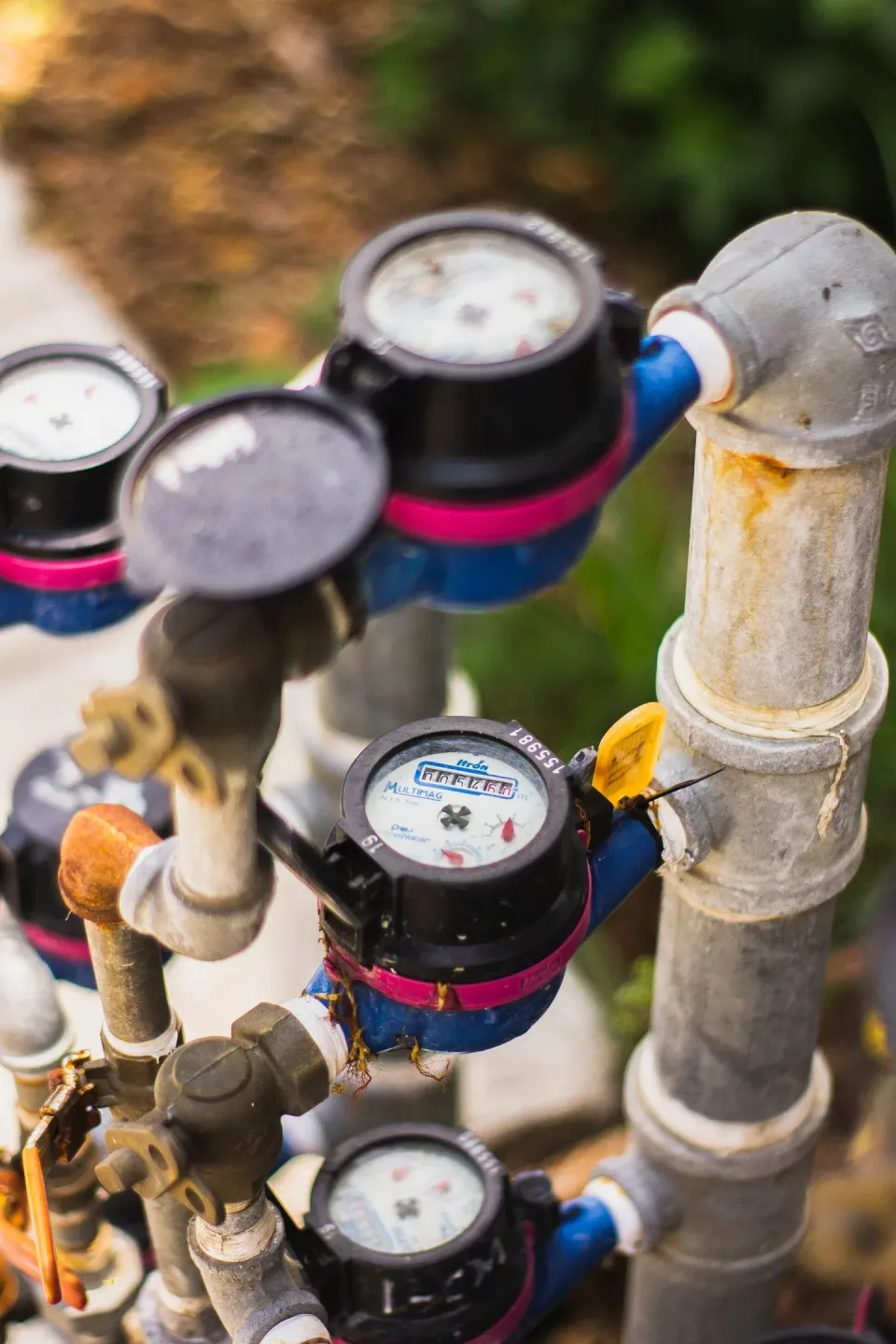
A gauge reading helps, but only if you know what you are measuring. Static pressure is measured while water is not flowing; a reading taken during use is dynamic pressure and can fall when demand exposes a supply or equipment problem. A residential gauge with a suitable range can help record the change, but avoid removing fittings or opening pressurized equipment to install one.
Look for a clear difference between the current reading and a prior, reliable reading if you have one. The Currier Museum of Art in Manchester is a familiar local reference point, but homes around the city can still have different supply arrangements; location alone does not identify the cause.
We compare readings and inspect system components rather than treating one number as a diagnosis. If you share the reading, note whether fixtures were running.
When should you stop troubleshooting and call a plumber?
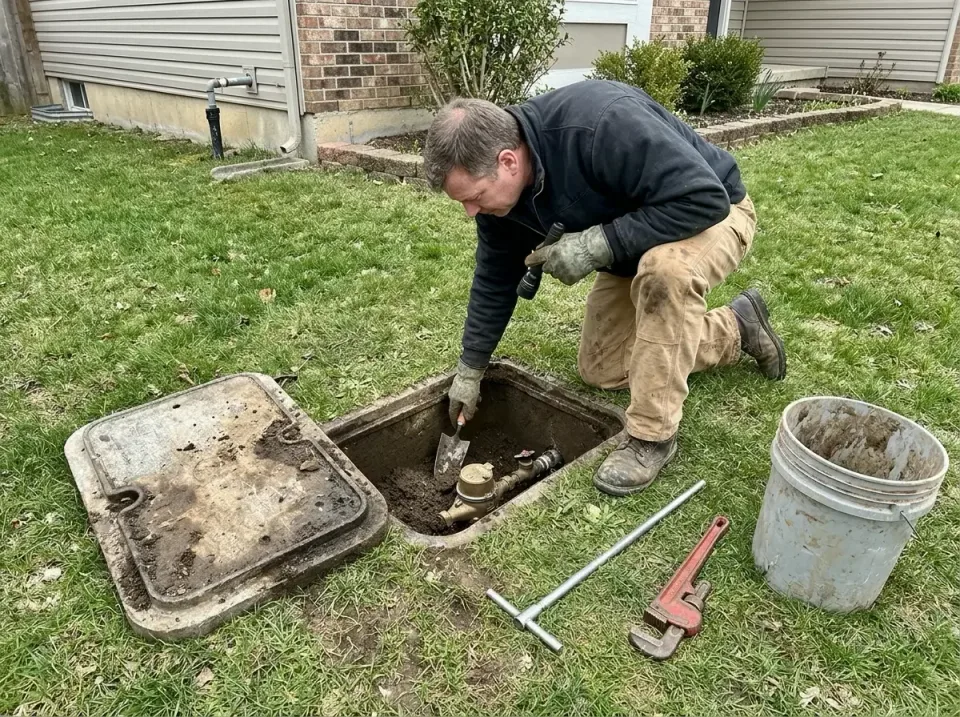
A quick visual check is reasonable: confirm the main valve looks open, check whether a leak is visible, and ask neighbors on a municipal supply whether they have the same issue. Stop if you find standing water, hear water running where no fixture is open, or see damage around a pipe. Do not adjust electrical pump controls or dismantle pressurized plumbing.
Coastal areas can experience stronger wind and salt exposure, which may affect exposed equipment and fittings over time; visible corrosion is a reason to avoid forcing a connection. Along the Cheshire Rail Trail from Keene to North Walpole, seasonal conditions vary, just as private water systems do across the state.
Our diagnosis checks the supply, accessible valves, and equipment operation before we explain options. A sudden whole-house change that persists merits professional testing.
What does the Mount Washington Auto Road tell you?
The Mount Washington Auto Road in Gorham is a reminder that elevation and local conditions differ across New Hampshire; a homeowner should describe the property’s water source rather than assume every pressure drop has the same cause. In a private-well home, the pump system and pressure controls need to be considered. On municipal water, the service supply and household plumbing are more relevant starting points.
We also consider the timing and pattern: did the change begin abruptly, follow plumbing work, or appear alongside a leak? A simple record helps.
Write down which fixtures are affected, when the change began, and any visible gauge reading. Our team has served New Hampshire for more than 11 years and diagnoses before replacing parts.
If the issue is confined to a single faucet, checking its aerator may be a safe first step; if the whole house is affected, leave pump and valve adjustments to a qualified professional.
Which Pressure Check Fits a Whole-House Drop?
The right check depends on whether your home uses municipal water or a private well, and whether the pressure falls only during use. These options help narrow the next step.
| Option | Best for | Key detail |
|---|---|---|
| Municipal supply check | A whole-home drop on public water | Compare pressure with fixtures off and while water flows. |
| Private well system check | A drop in a home supplied by a well | A pressure tank stores water and limits pump cycling. |
| Pressure-reducing valve inspection | A sudden change downstream of the main supply | The valve reduces incoming pressure; a faulty or misadjusted unit can restrict flow. |
| Booster pump assessment | Low pressure in a system that needs added pressure | Pump capacity should match fixture demand. |
Spring snowmelt can raise groundwater around basements, so note dampness near water-service equipment without entering a flooded area. If you visit the Bank of New Hampshire Pavilion in Gilford, remember that seasonal lake-area homes may have different occupancy patterns; share whether the home was recently reopened.
Canobie Lake Park is in Salem, where local supply conditions still need to be checked at the property. For Hampton Beach homes, stronger coastal exposure can make visible corrosion on accessible fittings worth reporting. Tell the plumber what changed and when.
A Pressure Reading Needs the Right Conditions
Pro tip: A pressure gauge reading only tells a useful story when you know whether water was flowing. In our field checks, we record a no-use reading and compare it with a reading during demand; that distinction can show whether the loss appears in the supply or under flow.
Autumn temperature swings can expose poorly insulated pipes, so inspect accessible areas for dampness or frost without dismantling plumbing. Around Castle in the Clouds in Moultonborough, seasonal property use is a practical reminder to note whether a house has been vacant or recently reopened.
Lake Massabesic, shared by Auburn and Manchester, is another local reference, but it does not determine an individual home’s pressure; testing does.
Common mistake: Adjusting a valve before identifying what the gauge reading actually represents.
Need Help With a Sudden Pressure Drop?
If several fixtures lost pressure together, note when it began, whether the home uses municipal water or a well, and any visible leaks or gauge readings. Do not open pump controls or force stuck valves. A house-wide symptom often needs system-level testing, not repeated fixture cleaning.
-
Record the pattern: List affected taps and whether pressure changes during water use.
-
Check for visible leaks: Keep clear of standing water near electrical equipment.
-
Arrange a diagnosis: We inspect accessible components and explain findings before repairs.
For a practical next step, contact New Hampshire Plumbing Pros about Sudden Water Pressure Loss; we’ll help identify what to check and discuss repair options.